When to Wear Compression Gear (and When It Won't Help)
Compression gear — sleeves, socks, tights — is everywhere, with claims about performance and recovery. Some are backed by evidence, others are hype. Knowing when compression actually helps saves you money and gets you the real benefits. Here is what compression does, when it helps, and how to choose and use it.

What Compression Actually Does
The real effects: the the-graduated-pressure (the compression applying graduated pressure to support circulation and muscles from the wear-guide logic — the the-pressure-effect), the the-circulation-support (the supporting blood flow, useful for certain situations from the do-they-work logic — the the-circulation-benefit), the the-recovery-feel (the a supportive feeling that can aid recovery, with real and hyped elements from the recovery-legs logic — the the-recovery-use), the the-reduces-swelling-and-fatigue (the helping reduce swelling and leg fatigue in some cases from the standing-jobs logic — the the-swelling-help), the the-not-a-magic-performance-boost (the compression not being a guaranteed performance enhancer from the do-they-work logic — the honest-expectations), and the reframe (the compression as graduated pressure that supports circulation and recovery in specific situations — real benefits where it applies, not a magic boost everywhere).
When It Helps
The situations compression suits: the the-recovery-after-exercise (the compression for post-exercise recovery and reducing soreness from the recovery-legs logic — the the-recovery-use), the the-long-travel (the compression socks for long flights and travel to support circulation from the travel logic — the the-travel-use), the the-standing-jobs (the compression for those on their feet all day from the standing-jobs logic — the the-standing-support), the the-reducing-swelling-and-fatigue (the reducing leg swelling and fatigue in relevant situations from the standing-jobs logic — the the-swelling-and-fatigue), the the-during-running-for-some (the compression tights or sleeves some runners find supportive from the tights-running logic — the the-running-use), the the-medical-uses (the medical compression for specific conditions, on advice — the the-medical-use), and the reframe (the compression as genuinely helpful for recovery, travel, standing jobs and swelling — the situations where the evidence and experience support it).
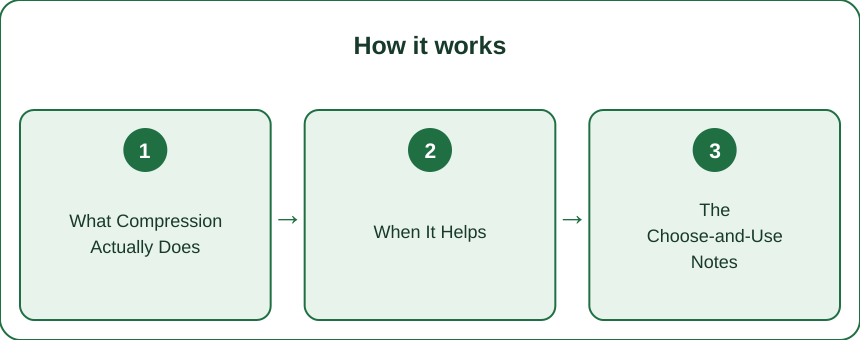
The Choose-and-Use Notes
Getting it right: the the-right-type-for-the-purpose (the choosing sleeves, socks or tights for your specific need from the wear-guide logic — the match-the-garment), the the-correct-fit-and-pressure (the the right size and compression level, since fit matters from the wear-guide logic — the fit-and-pressure), the the-graduated-compression (the graduated compression for circulation benefits from the do-they-work logic — the the-graduated-kind), the the-for-recovery-vs-during (the deciding recovery use versus during-activity use from the recovery-legs logic — the the-timing), the the-realistic-expectations (the expecting support and recovery help, not miracles from the do-they-work logic — the realistic-benefits), the the-medical-advice-when-needed (the getting advice for medical compression needs — the the-medical-guidance), the the-quality-garments (the quality compression that maintains its pressure — the buy-quality), and the frame (the compression as the right type at the correct fit for recovery, travel, standing or swelling — real benefits used well, skipped where it will not help. Match the garment to your need, get the fit and pressure right, and use it for recovery, travel and standing rather than expecting a magic performance boost).
Compression gear — sleeves, socks, tights — is everywhere, with some claims backed by evidence and others hype. Compression applies graduated pressure that supports circulation and muscles, aids the feel of recovery, and helps reduce swelling and leg fatigue in some cases — but it is not a guaranteed performance boost. It helps most for post-exercise recovery, long travel, standing jobs, reducing leg swelling and fatigue, some runners during activity, and medical uses on advice. Choose and use it well by matching the type to your purpose, getting the correct fit and pressure, choosing graduated compression, deciding recovery versus during-activity use, keeping expectations realistic, seeking medical advice when needed, and buying quality that maintains its pressure. Real benefits used well, skipped where it will not help.
See It in Motion
Seen here: High Waist Yoga Leggings with Side Pockets — shop it on bubblelime.com
Keep Reading
This article is for general informational and styling purposes only. Fit, sizing, and product availability may vary.