Compression Wear, Explained: The Science of the Squeeze
Compression wear occupies a curious spot in the activewear world: half medical device heritage, half performance-marketing bonanza — with prices to match the promises. The honest research picture is more nuanced than either the hype or the backlash: compression genuinely does some things (recovery, swelling, proprioception), probably does not do others (direct performance boosts), and definitely does one thing nobody disputes (feel supportive in a way many women love). Here is the science of the squeeze, sorted.

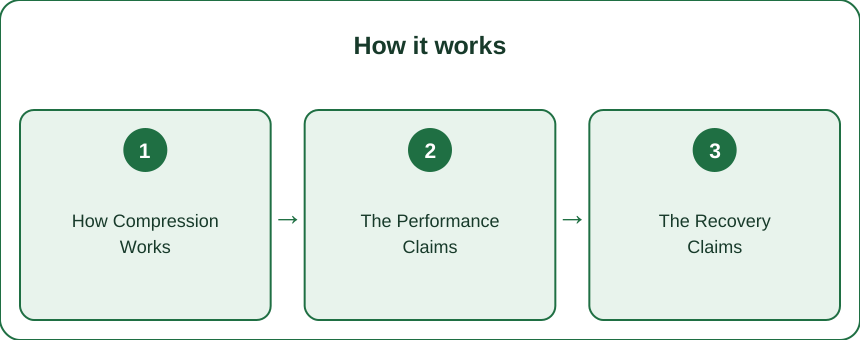
How Compression Works (the Mechanism Briefing)
The theory, from its medical roots: graduated pressure — tightest at the extremity, easing upward — assists veins in returning blood against gravity, which is why compression stockings are legitimate medicine for circulation conditions, flights and all-day standing; athletic compression borrows the mechanism hoping for more oxygen delivery, less muscle oscillation (the micro-vibration of muscle during impact, a plausible fatigue and soreness contributor), and enhanced proprioception — the snug fabric giving your nervous system a clearer read on limb position. Mechanisms one and two have decent evidence; the performance leap built on them is where marketing outran data.
The Performance Claims (Mostly Modest News)
What controlled research finds on wearing compression during exercise: direct performance improvements — speed, power, endurance — are small to nonexistent across most studies (meta-analyses land at trivial effects; you will not run meaningfully faster in compression tights), but two during-exercise benefits survive scrutiny: reduced muscle oscillation on impact (plausibly behind the fresher legs late in long runs that endurance athletes report) and the subjective support effect — athletes consistently feel better in compression, and in sports psychology, feel is not nothing. Verdict: buy compression for comfort and the long-run legs, not for the personal record the packaging implied.

The Recovery Claims (Where the Evidence Actually Lives)
Compression’s strongest scientific ground: worn after hard exercise, compression garments show consistent modest benefits for delayed-onset muscle soreness and recovery of muscle function across meta-analyses — the squeeze appears to assist the post-exercise cleanup circulation, and the effect strengthens with longer wear windows (several hours post-session, or overnight for the committed). The practical translation: compression tights after leg day, calf sleeves after the long run, and the recovery-day wear habit have actual receipts. The delightful footnote: recovery compression need not be expensive — pressure is pressure; the $30 pair squeezes comparably to the $110 one.
The Everyday Cases (Standing, Flying, Swelling)
Beyond sport, where compression quietly excels: all-day standing professions (nurses, teachers, retail — graduated compression socks measurably reduce end-of-shift leg fatigue and swelling; the healthcare-worker sock habit exists for reasons), travel (flight compression is standard medical advice for long-hauls — circulation support in cramped seating), pregnancy (swelling relief with obstetric blessing — a genuinely underused comfort tool), and post-surgical or medical-grade uses that belong entirely to clinician guidance (medical compression is measured and prescribed in mmHg — the athletic aisle is not the venue). For leg-heavy days generally: the evening lightness difference is the kind of benefit you notice by its absence the day you skip them.
Buying the Squeeze (Fit Rules and Red Flags)
Compression shopping literacy: fit is the entire product — genuine compression should be notably snug and effortful to don (if it pulls on like regular leggings, it is regular leggings with marketing), graduated construction matters for circulation claims (tightest at ankle — the tell of legitimate design), sizing runs on height-weight charts rather than vibes (sizing up for comfort deletes the mechanism — buy your chart size or skip the category), and mmHg ratings where listed (15–20 for everyday and travel, 20–30 entering medical territory best cleared with a clinician). Red flags: compression-branded garments sold on softness (the categories are opposites), and quadruple-price performance promises stapled to the same fabric. The squeeze is real. The premium on it is negotiable.
Compression, honestly rated: legitimate for recovery soreness, swelling, standing shifts and flights; pleasant but modest during workouts; and priced with a story-tax worth shopping around. If you love the held-together feel — many women do — that comfort alone justifies the drawer space. Just buy it snug, buy it graduated, and let the recovery evidence, not the sprint-faster packaging, write the receipt.
See It in Motion
Seen here: High Waist 8” Yoga Shorts — shop similar styles on bubblelime.com
Keep Reading
This article is for general informational and styling purposes only. Fit, sizing, and product availability may vary.